Online Music Learning Platforms: The New Stage for Aspiring Musicians
Online Music Learning Platforms: The New Stage for Aspiring Musicians
Music has always been a powerful form of expression. From ancient rhythms played on han

dmade instruments to modern digital compositions created on laptops, the way we learn and share music has evolved dramatically. Today, one of the most exciting developments in this journey is the rise of online music learning platforms. These platforms are changing how people of all ages discover, practice, and master musical skills, turning bedrooms into classrooms and smartphones into personal tutors.
The Shift from Traditional Classes to Digital Learning
For decades, learning music meant attending classes in a nearby institute or finding a private tutor. While this method is still valuable, it often comes with limitations. Fixed schedules, travel time, high fees, and limited access to expert teachers can make traditional music education difficult for many learners.
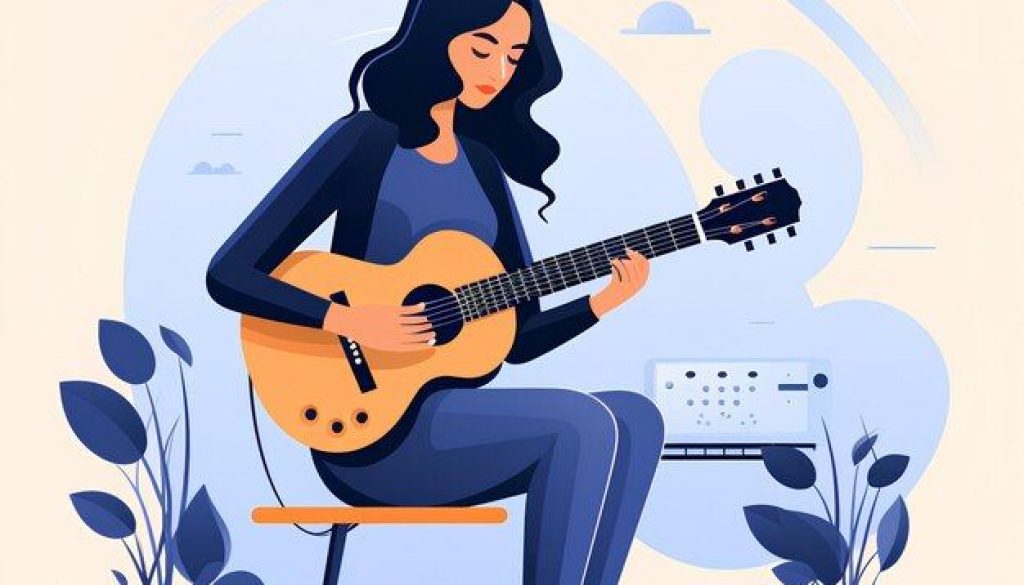
Online music learning platforms remove these barriers. With just an internet connection, students can now learn guitar, piano, vocals, violin, drums, or even music production from experienced musicians around the world. Lessons are available at any time, allowing learners to practice at their own pace without pressure.
What Are Online Music Learning Platforms
Online music learning platforms are digital services that provide music lessons through videos, live sessions, interactive exercises, and community features. Some platforms focus on beginners, while others cater to advanced learners who want to improve technique or explore specific genres such as classical, jazz, or electronic music.
These platforms usually include step-by-step tutorials, practice tracks, sheet music, quizzes, and progress tracking tools. Many also offer mobile apps, making it easy to practice anywhere, whether at home, in a hostel room, or during travel.
Why Learners Prefer Online Music Platforms
One of the biggest reasons for the popularity of online music learning is flexibility. Students can choose when to learn, how fast to progress, and which style of teaching suits them best. This freedom helps learners stay motivated and consistent.
Another major benefit is affordability. Compared to regular offline classes, online subscriptions are often much cheaper. Some platforms even provide free lessons, allowing beginners to explore music without any financial pressure.
Access to expert instructors is also a key advantage. Instead of being limited to teachers in their local area, students can learn from international artists and certified trainers who bring diverse techniques and perspectives.
Interactive Learning Experiences
Modern online music platforms are not just about watching videos. They offer interactive features that make learning engaging and effective. Many platforms include tools that listen to your playing through your device’s microphone and provide instant feedback on pitch, rhythm, and timing.
Some platforms use gamification, where students earn points, badges, or certificates as they complete lessons. This makes learning fun and keeps learners committed to their musical journey.
Community features are another highlight. Students can join discussion forums, share recordings, participate in challenges, and receive feedback from fellow learners. This sense of belonging creates a supportive environment similar to a real classroom.
Opportunities for All Age Groups
Online music learning is not limited to children or teenagers. Adults who have always dreamed of learning an instrument now have the opportunity to start at any age. Retired professionals, working parents, college students, and even senior citizens are discovering the joy of music through these platforms.
Parents also find online platforms helpful for their children because they can monitor progress easily. Many platforms offer structured programs designed specifically for kids, using simple language, colorful visuals, and short lessons that match their attention span.
Skill Development Beyond Music
Learning music online does more than teach melodies and chords. It builds discipline, patience, creativity, and self-confidence. Students learn how to manage time, set goals, and practice consistently. Performing recorded assignments or sharing progress with the community also helps overcome stage fright and improves communication skills.
For those interested in a music career, online platforms introduce learners to music theory, composition, sound engineering, and digital production tools. These skills open doors to opportunities in the entertainment industry, content creation, and education.
Challenges and How to Overcome Them
Like any learning method, online music platforms also come with challenges. Lack of personal supervision can sometimes lead to incorrect posture or technique. Distractions at home may affect focus, and learners might lose motivation without a fixed routine.
These issues can be overcome with simple strategies. Setting a daily practice schedule, using a mirror to check posture, recording practice sessions, and attending live classes whenever possible can improve learning quality. Many platforms also offer one-on-one sessions for students who need extra guidance.
The Future of Music Education
The future of music education is digital, inclusive, and personalized. With technologies like artificial intelligence and virtual reality, online music platforms are expected to become even more interactive. Imagine wearing headphones and feeling like you are sitting inside a live orchestra or learning piano from a virtual teacher who adjusts lessons based on your performance.
As internet access continues to expand, more learners from rural and remote areas will be able to explore music without limitations. This means hidden talents will finally get the stage they deserve.
website https://tunecraft.in/
instagram https://www.instagram.com/